★★★★★4.6 (477)
Get Yours
Dog Poop Bags with Handles
$15.95
In stock
The logbook
Packaging labels often blur the lines between ordinary plastic, plant-derived synthetics, and materials that genuinely break down in your yard. When you are standing in a kitchen or walking a dog, vague green claims do little to explain where a liner actually ends up or how it holds wet waste.
Biodegradable is a broad term that only states an item will break down at some unspecified point in the future. It does not name a specific timeline, required moisture level, or safe end state. Under the wrong conditions, ordinary plastics labeled this way can simply fragment into smaller fragments without returning organic matter to the soil.
Compostable is a much stricter standard tied to verified testing like ASTM D6400 or European standard EN 13432. It specifies that a material must disintegrate completely into water, carbon dioxide, and natural biomass within defined timeframes, leaving behind no harmful chemical residues.
Industrial composting facilities run at high, sustained temperatures that speed up decomposition for heavy polymers. Backyard compost piles rarely generate that level of sustained heat, relying instead on ambient weather, natural moisture, and local microbes over longer stretches of time.
Meeting the standard for home use is therefore the harder trial for any film. Certifications such as OK Compost HOME confirm that a material will break down without industrial heat, allowing kitchen waste liners to break down in about 90 days in residential setups rather than lingering indefinitely.
Plant-based describes what goes into the raw resin, such as vegetable starches rather than petroleum feedstocks, but it does not describe what happens after disposal. A bio-based item can still be engineered never to degrade, which is why raw ingredient claims alone should never replace compost certifications.
A bag must also work reliably as a physical container before anything else matters. A thin film that tears across the bottom or leaks warm moisture across your fingers is just messy refuse. We design our 4 Gallon kitchen trash bags, measuring 21.6 inches by 17.8 inches, with reinforced walls, while our food storage lineup uses a 1.97 mils thickness so seams hold firm against liquids and freezer cold.
City organics collection programs follow specific local processing rules that differ from home compost piles. Some municipal haulers accept certified compostable plastics meeting US BPI standards, while other facilities only accept bare food scraps and paper packaging because synthetic films can jam sorting equipment.
Always verify your regional curbside guidelines before placing bagged food waste or dog waste into municipal green bins. Pet waste in particular is often banned from municipal composting streams due to pathogens, meaning those bags should be routed to dedicated pet waste systems or appropriate disposal bins.
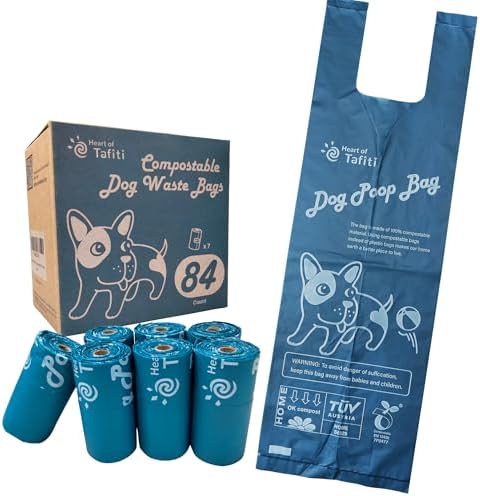
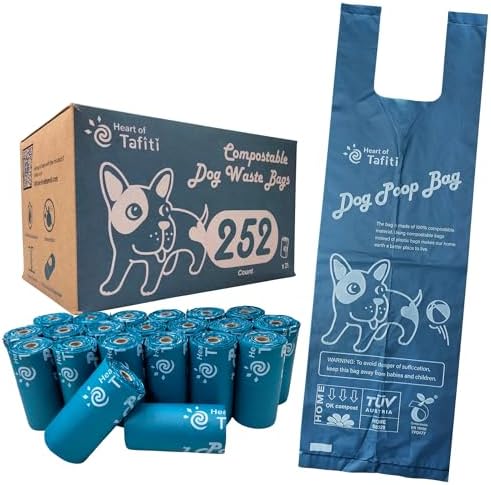
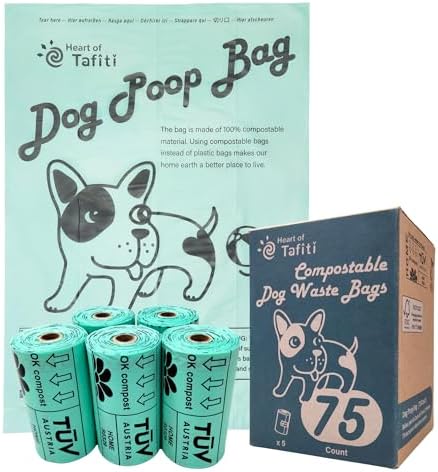
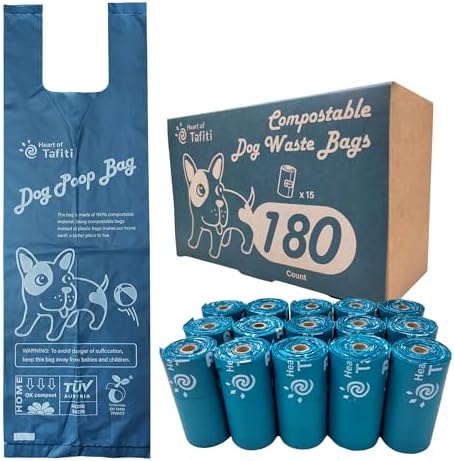
We make our unscented dog waste bags from plant-based materials with certified OK Compost HOME and ASTM D6400 ratings. Our flat bags measure 9 x 13 inches, while our handle bags provide a 9 x 13 inch body that extends past 16 inches with handles, built at 18 microns thick to prevent leaks during daily walks.
Our kitchen liners and food storage options balance real degradation with clean everyday use. Our 4 Gallon bags hold food scrap waste cleanly when stored in a cool, dry place and used within 8 months of purchase, while our sandwich, quart, and gallon food storage options carry US BPI and OK Compost certifications, available individually or in a 110-count variety pack through our retail partners.